

Welcome to our extensive collection of chess books. Chess House offers a diverse range of chess book titles to suit every chess lover. Whether you're a beginner eager to learn the basics, a seasoned player looking to refine your strategies, or a historian interested in the rich history of chess, our store has something for everyone.


Filters
176 products







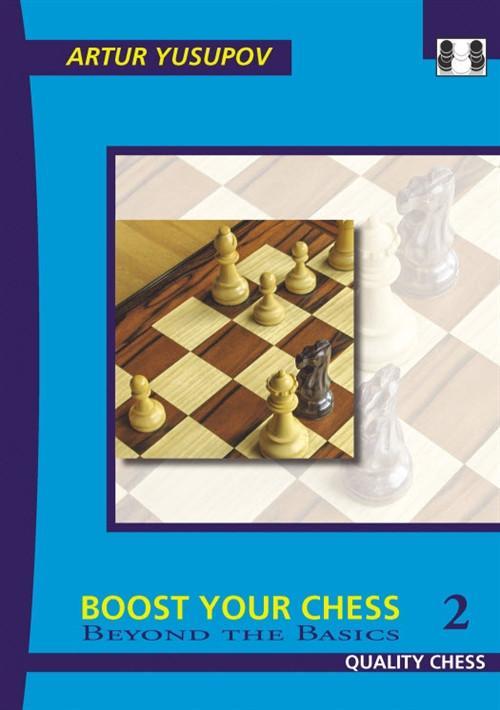



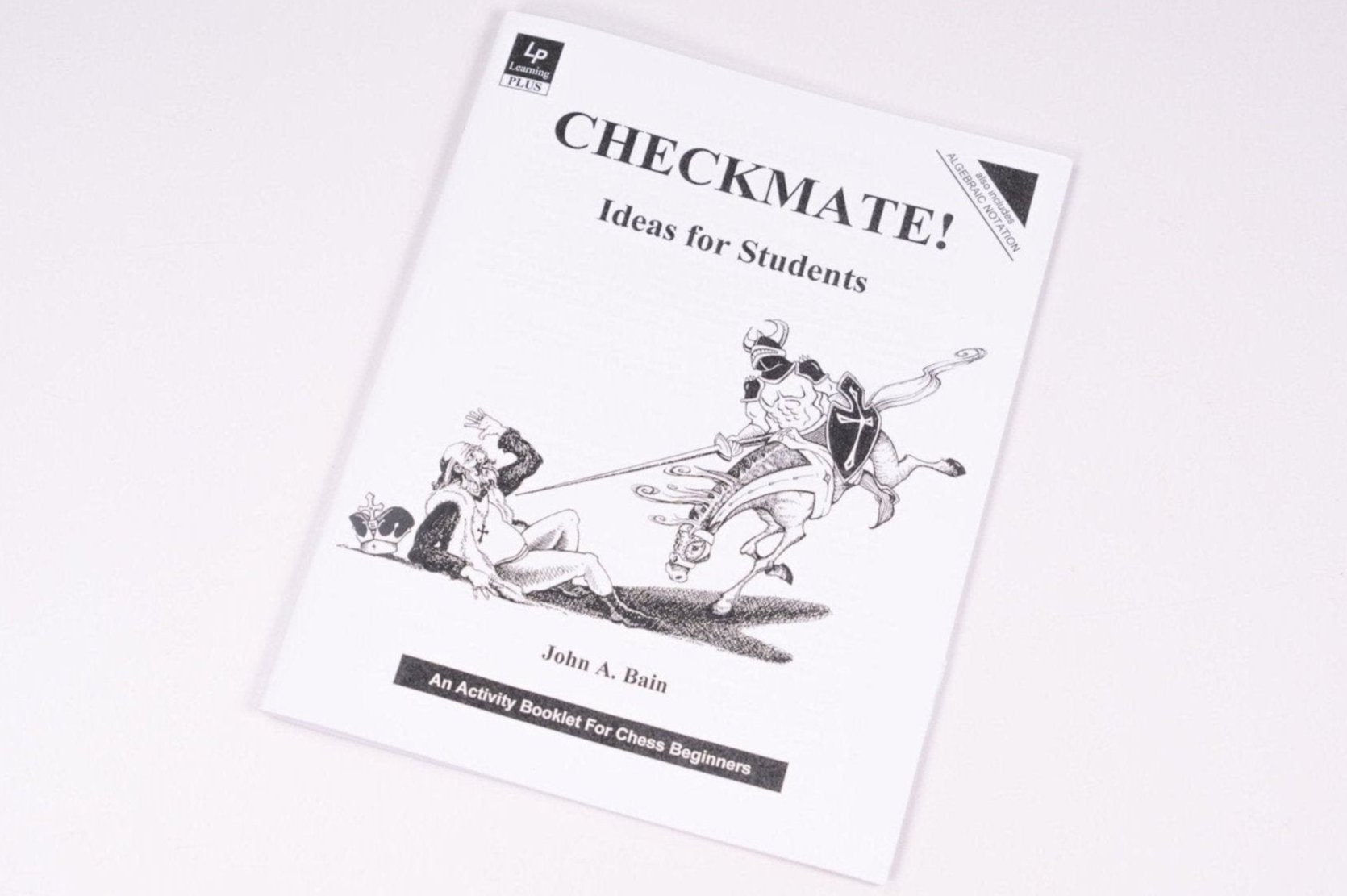
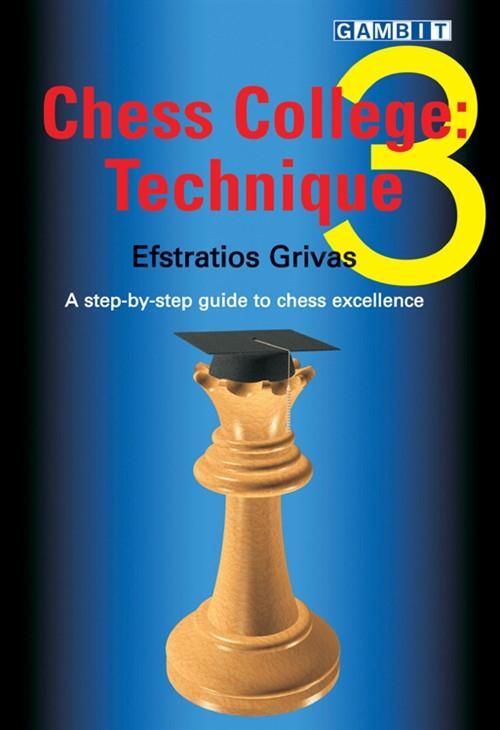
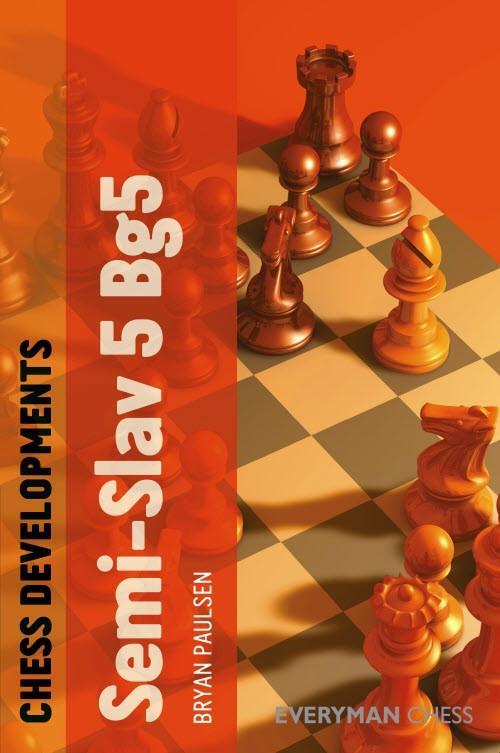



Why Learn Chess History?
Understanding the history of chess offers numerous benefits that can enhance your appreciation and mastery of the game. Our numerous instruction books go deep into the game’s history and provide insights into the evolution of strategies and the development of modern gameplay.
The right chess book can also help you learn from the great masters of the past, drawing inspiration from their legendary games.
Chess Books for Beginners
In addition to a wide selection of chess books, we offer an exclusive range of chess boards that cater to various preferences and styles. Our instructional books cover key principles and tactics to help you master the game.
For beginners, we recommend starting with our carefully selected first book to build a strong foundation. For example, if you’d like one book to teach you chess tactics and strategies, try Chess Tactics for Students by John A. Bain.
Whether you’re looking for ideas to enhance your strategy or seeking a course that introduces you to new concepts, our selection has you covered. Our books provide detailed coverage of important concepts like pawn structures and offer numerous examples to illustrate key strategies.
From Chess Book to Chess Board: Chess House Exclusive Benefits
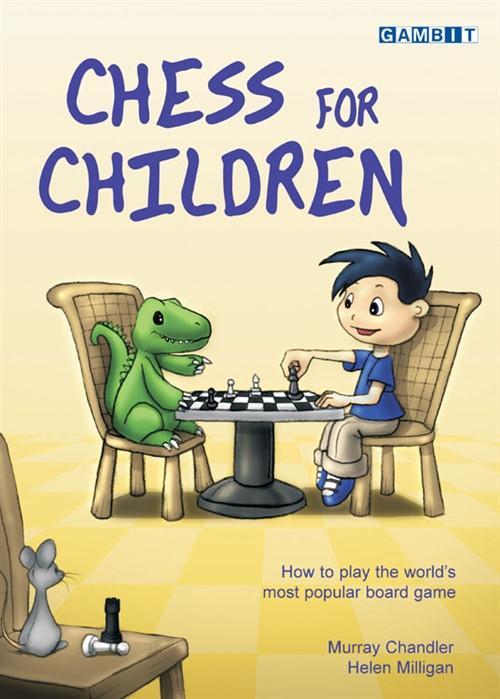
Our chess books are not just educational but also fun. We have specially curated content for kids, ensuring that learning chess is an enjoyable and engaging experience. With a variety of topics covered, from tactics and chess puzzles to life lessons drawn from chess games, each chess book provides a holistic learning experience.
When you buy instructional books from Chess House, you're assured of getting high-quality chess books and a range of exclusive benefits. Our friendly and welcoming team is always here to ensure your satisfaction with each chess book, offering highly responsive customer service and support.
With reliable shipping and a dedicated customer service team, you can shop with confidence and focus on enjoying the game you love.
WHY CHESS HOUSE?



Warehouse
418 W Industrial Rd
Canton, SD 57013, USA
Phone
1-800-348-4749