Answer
Jul 12, 2022 - 04:30 AM
In terms of accuracy, with Magnetic and Pressure detection, they depend on the user putting the pieces in the right positions when starting or when several pieces have been knocked over; however, with RFID the board knows and can alert a user when pieces are not put in the right spots. We've noticed that sometimes the magnetic / metal detection boards tend to need to be calibrated more often or require pieces to be better centered.
Regarding reliability, while pressure based systems have been around for a long while, RFID and the newer magnetic versions are relatively newcomers to the chess scene. Current magnetic chess computers use electronic 'hall effect sensors' to detect metal in the piece vs the older models of the 70 - 90's mostly used physical reed switches.
That said, RFID, is a proven technology, being employed in countless hotels across the country to provide room access.
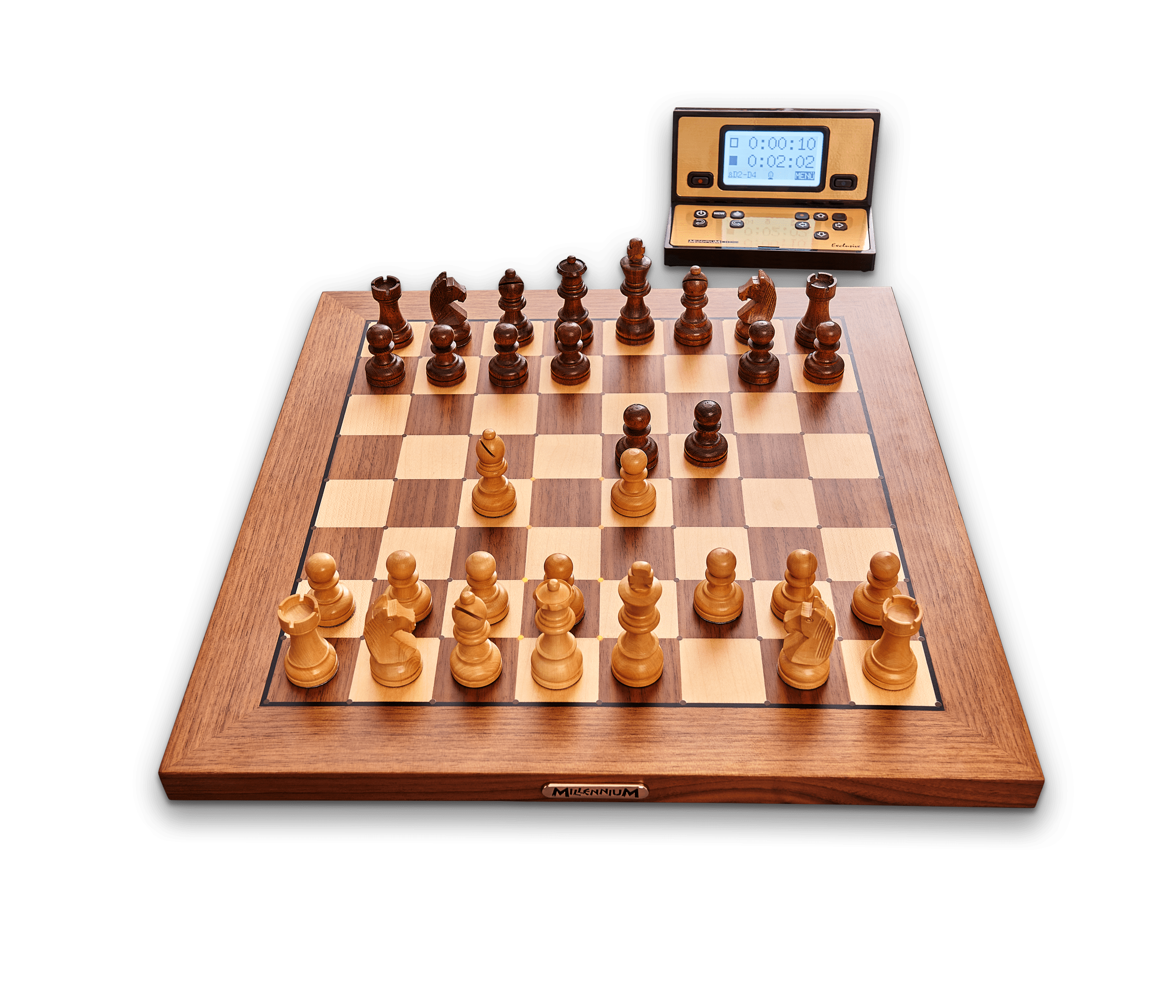
This chess pieces is designed for quality and enjoyable play.
Regarding reliability, while pressure based systems have been around for a long while, RFID and the newer magnetic versions are relatively newcomers to the chess scene. Current magnetic chess computers use electronic 'hall effect sensors' to detect metal in the piece vs the older models of the 70 - 90's mostly used physical reed switches.
That said, RFID, is a proven technology, being employed in countless hotels across the country to provide room access.
This chess pieces is designed for quality and enjoyable play.